When you want to heat a floor electrically, there are two main options: carbon film heaters and cable (heating cable or mat) electric underfloor heating. Both convert electricity into heat, but they differ significantly in construction, installation, floor compatibility and cost. In this article we compare the two systems and explain when to choose each.
Carbon Film Heaters in Brief
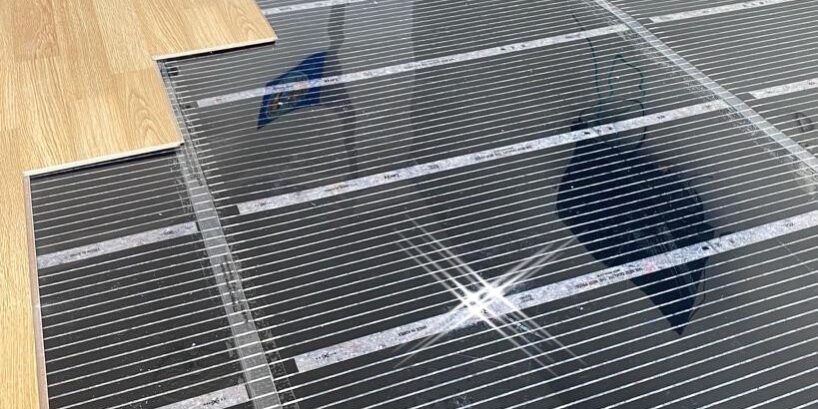
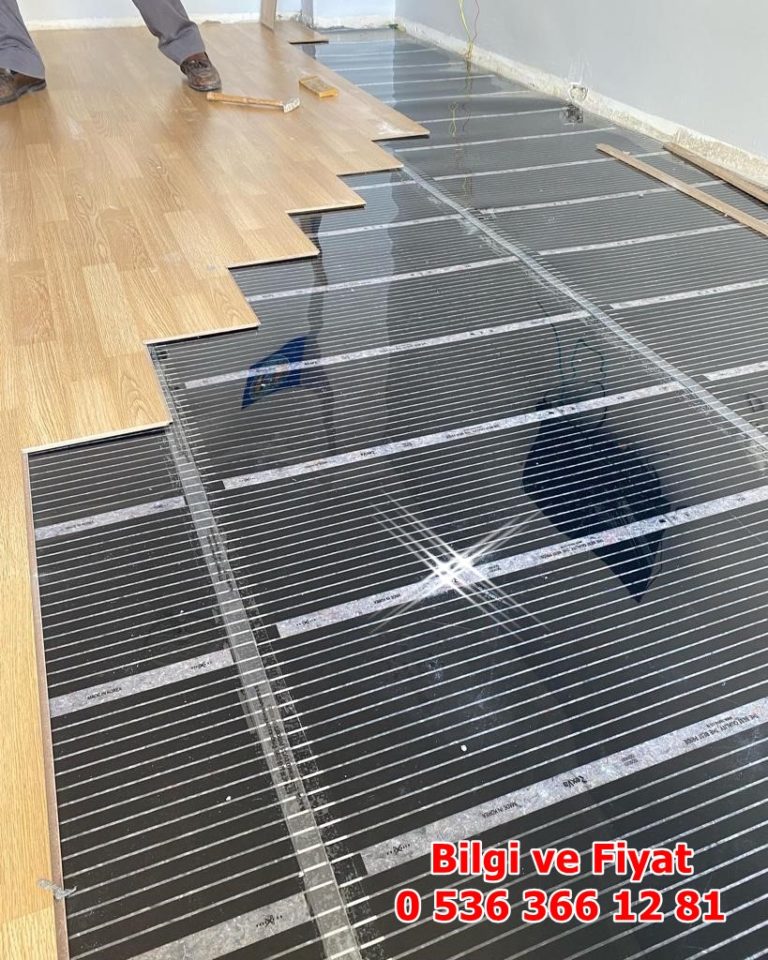
Carbon film is a flexible heater about 0.3–0.4 mm thick, made of conductive carbon strips between two PET layers. It is laid dry under carpet, laminate or parquet. For details, see what is a carbon film heater?

Cable Electric Underfloor Heating in Brief
In cable systems, heating cables are embedded in the screed, or thin heating mats are laid in the tile adhesive. They are common in bathrooms, kitchens and on stone or tiled floors. Full details are in our cable underfloor heating guide.

Comparison Table
| Criterion | Carbon Film Heater | Cable / Heating Mat |
|---|---|---|
| Thickness | Very thin (≈0.4 mm) | Mat ≈3–4 mm; in-screed cable as thick as the screed |
| Suitable floors | Carpet, laminate, parquet | Ceramic tile, marble, stone, screed |
| Installation | Dry; no need to break up the floor | Wet; adhesive or screed required |
| Installation time | Short (usually same day for a room) | Longer; screed drying time may be needed |
| Warm-up speed | Fast | Mat fast, in-screed cable slow |
| Heat storage | Low | High with screed systems |
| Wet rooms | Not recommended | Suitable (bathrooms, kitchens) |
| Removability | Can be lifted and moved | Permanent |
| Repairs | Easy – just lift the carpet | Difficult – the floor covering may need removing |
Is There a Difference in Energy Consumption?
Both are resistive heaters that convert almost all electricity into heat, so in the same space at the same comfort temperature their consumption is similar. The real difference comes from the room’s insulation, the quality of the underlay insulation and how the system is used. Because a screed cable system stores heat, it is well balanced in continuous use; carbon film responds quickly, which is an advantage for intermittent use. To calculate, see carbon film heater electricity consumption.
Which Should You Choose?
Choose a carbon film heater if:
- the floor is carpet, laminate or parquet;
- you want heating without renovation or breaking up the floor;
- you rent, or may want to move the system later;
- you need to heat large carpeted areas such as mosques or schools.
Choose a cable system if:
- the floor is ceramic tile, marble or stone;
- you need heating in wet rooms such as bathrooms and kitchens;
- you are building new or carrying out a major renovation;
- you want a continuously running system with heat storage.
Frequently Asked Questions
Can carbon film be used under ceramic tiles?
Some manufacturers allow it with special installation details, but it is generally not recommended. Under tiles, a heating mat or heating cable is a safer and more permanent solution.
Which lasts longer?
With correct installation and a thermostat, both will last for many years. The advantage of carbon film is that repairs are much easier if a fault occurs.
Can both be used in the same home?
Yes. A common solution is carbon film in living rooms and bedrooms and a heating mat in the bathroom, with each zone controlled by its own thermostat.
Conclusion
Carbon film heaters are a fast, clean and flexible solution under carpet, laminate and parquet, while cable systems are better suited to tiles, stone and wet rooms. Read our article on underfloor heating systems for other options, or contact us to find the right system for your project.